
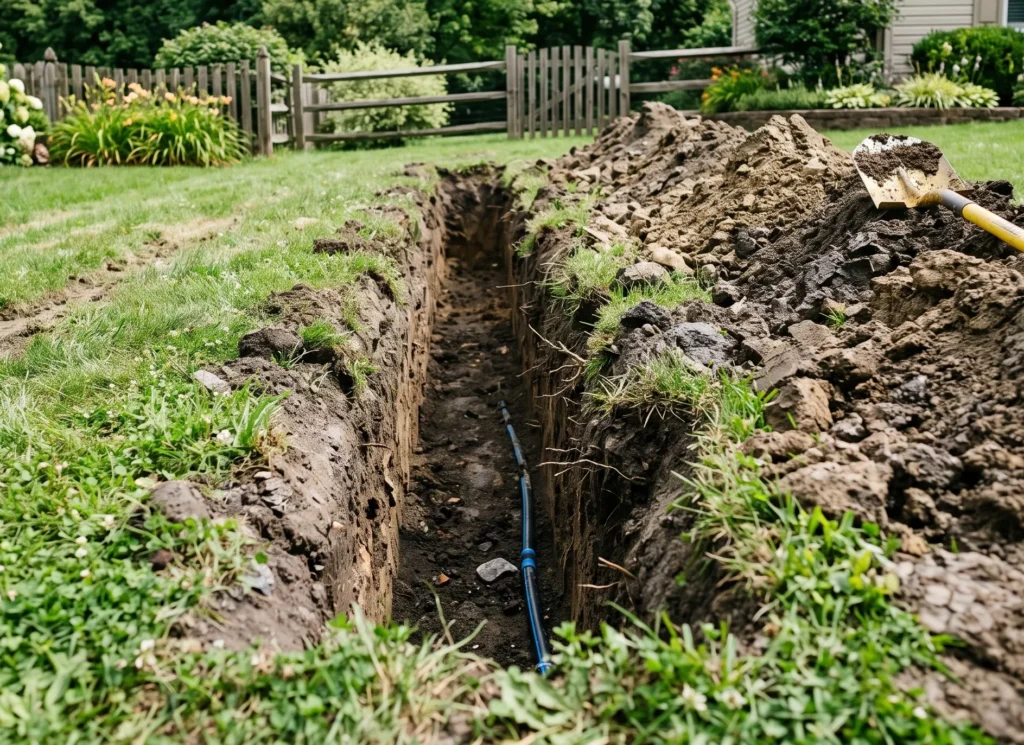
Pacific Northwest weather dictates how we build and repair local infrastructure. Once the rainy season ramps up, Western Washington ground can turn into heavy, saturated mud. Digging a massive trench through wet clay creates logistical headaches for property owners and utility crews. Scheduling utility line excavation during the dry days of late summer or early fall is a strategically smart financial decision for major plumbing repairs.
Why Is It Better to Excavate Utility Lines Before the Rainy Season?
Scheduling utility line replacement before heavy fall rains avoids severe weather delays and expensive site restoration.
The Dry-Dirt Excavation Advantage
Dry early-autumn soil provides three distinct operational advantages over rain-soaked ground:
- Mud Cave-In Prevention: Dry earth supports more stable trench walls, whereas saturated clay is prone to sloughing and requires tighter protective systems.
- Machinery Stability: Heavy excavators need firm ground to dig precisely without sinking, sliding, or tearing up your lawn.
- Faster Execution: Moving dry soil takes a fraction of the time and labor required to pump standing rainwater out of a flooded ditch.
Preventing Trench Collapse in Wet Soil
When digging five to ten feet deep to reach a main sewer pipe, the trench walls must remain highly stable. Dry summer soil compacts tightly and holds its shape during the digging process. This allows crews to safely lay new pipe, inspect the joints, and ensure the correct slope for gravity drainage.
Once the autumn rains saturate the ground, trench walls become less stable. Wet clay turns heavy and slick, increasing the risk of sloughing. A trench wall collapse forces crews to stop working immediately, remove slipped material, and bring in additional shoring or shielding.
Strict safety regulations dictate how crews handle unstable ground. If the soil is wet and prone to sliding, technicians may need tighter shoring spacing, sheeting, or trench boxes to meet requirements. These measures can expand the work zone and impact more surface landscaping just to secure the excavation.
Machinery Stability During Utility Trench Excavation
Replacing an old concrete sewer pipe requires heavy earth-moving equipment. A standard mini-excavator weighs several tons. When the ground is dry, the tracks grip the dirt firmly. The operator can scoop soil precisely without damaging nearby driveways, sidewalks, or structural foundations.
Operating heavy machinery on a rain-soaked lawn significantly changes job-site conditions. Thick mud causes excavator tracks to spin, sink, and slide. Equipment can get stuck, and the heavy metal treads can tear up large sections of your yard just trying to move into position. Working on dry ground preserves your landscaping and keeps the equipment operating efficiently.
Faster Timelines and Lower Project Costs
Pumping rainwater out of a flooded ditch wastes expensive labor every morning. Crews spend hours battling the weather instead of fixing your plumbing.
Excavating in dry soil is significantly faster. The trench stays clear, and the installation moves continuously. Wet dirt also weighs more than dry dirt, which can increase haul and disposal costs. A two-day project in September can stretch into a five-day project in December, and you pay for those extra hours.
The Reality of Emergency Winter Digs
Delaying a replacement just because a failing pipe still technically drains is a massive gamble. Aging pipes are more vulnerable to damage from the added weight of saturated winter soil. When a line completely fails during a December rainstorm, you lose scheduling flexibility.
Emergency winter jobs often carry premium rush rates. Your yard can sustain worse damage from sliding machinery, and securing city permits around the holidays can take longer. Proactively replacing compromised pipes during the dry season keeps you in complete control of the budget and timeline.
Related Articles:
- Utility Line Repair: Replace Outdated Pipes Before Fall
- How Utility Line Excavation Works: Safe Digging Explained
Plan Your Excavation Work Today
Waiting for your plumbing to fail in the dead of winter is a terrible financial strategy. Sewer Solutions offers complete diagnostic video inspections to evaluate the physical condition of your pipes right now. If we find severe root damage or sagging bellies, we help you plan a precise, cost-effective replacement.
Take advantage of the dry weather before heavy rains saturate the Puget Sound region. Contact Sewer Solutions today to schedule your utility line excavation and protect your home from winter plumbing disasters.