
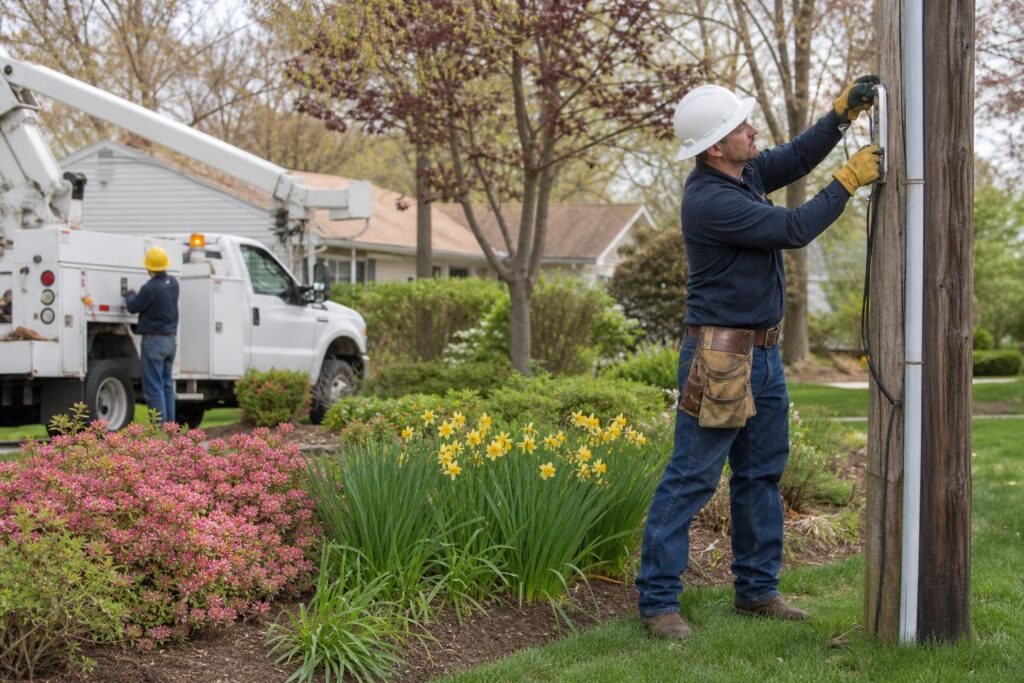
Spring is the season when homeowners finally get outside to enjoy their yards. Fresh mulch, new flower beds, and green grass make all the hard work feel worth it. However, an underground pipe failure can quickly interfere with these seasonal improvements. Knowing how professional utility line repair can save your spring landscaping is the difference between a quick fix and a torn-up yard. Fortunately, modern repair methods have come a long way.
Can Broken Pipes Be Fixed Without Destroying Your Yard?
Yes, broken underground pipes can often be fixed without major digging. Utility line repair has changed a lot over the past decade, and professionals now have tools that can reach damaged pipes through small access points instead of long trenches.
Hidden pipe damage is more common than you might think. Over time, tree roots can grow into old pipes, shifting soil can cause cracks, and pipe connections can loosen. These problems happen slowly and may appear just as you are getting your yard ready for spring.
The biggest risk is waiting too long. A small crack can quickly turn into a collapsed pipe, leading to expensive repairs and a ruined yard. By catching the problem early and calling a professional, you can keep the repair simple and protect your lawn.
The Trenchless vs. Traditional Digging Chart
The chart below gives a clear picture of how two different approaches can affect your property:
| Traditional Trench | Trenchless Method | |
|---|---|---|
| Yard Impact | Large, open trench across the lawn | 1-2 small access holes |
| Time to Complete | Often several days (depending on the scope) | Often 1-2 days for small residential jobs |
| Landscape Recovery | Weeks to months of regrowth | Usually minimal restoration at the surface |
| Cost of Restoration | Often higher for large restorations | Often lower overall, but varies by job |
The best method depends on your pipes. Trenchless utility line repair protects your yard, while careful digging is necessary for completely broken lines.
The Traditional Trench
The traditional method involves excavating a trench along the length of the utility line to reach the damaged section. This standard approach allows technicians full visibility and direct access to the pipes, though it does require moving sections of grass, flower beds, or walkways. The process generally takes a few days to complete as the crew works to uncover and resolve the issue.
Once the repair is finished, the area is backfilled with soil, leaving a visible path where the work occurred. This provides a fresh start for new landscaping, though it does require some patience while waiting for grass seed or sod to establish.
The Trenchless Solution
Trenchless repair works through one or two small access holes, usually about the size of a manhole. Technicians use specialized equipment to line or replace pipes from the inside. Small residential jobs may finish in a day or two, while longer or more complex jobs can take longer.”
For spring landscaping, this matters a lot. Your garden beds, freshly planted shrubs, and irrigation lines stay untouched. Professional technicians use trenchless technology specifically to keep property disruption low, which is a real advantage when your yard is in peak growing mode.
The Restoration Phase
Once the pipe repair is done, professionals handle the cleanup. Access holes are backfilled with compacted soil. Concrete or asphalt patches go back where they were removed. Grass is replanted or re-sodded over the small disturbed areas.
Common Signs Your Underground Pipes Need Help
Catching pipe problems early keeps repairs small and your yard safe. Watch for these three warning signs:
- Soggy or spongy patches in your lawn: If one area of your yard stays wet even when it hasn’t rained, water may be leaking from a cracked pipe below the surface.
- Foul smells near drains or in the yard: Sewer gas has a distinct rotten-egg odor. If you notice it outside, a pipe may be cracked or separated underground.
- Slow drains or frequent backups inside the house: When multiple drains in your home are sluggish at the same time, the issue is likely in the main line running under your property rather than in individual fixtures.
Any of these signs is worth a call to a licensed underground utility contractor. The sooner you get a camera inspection, the more options you’ll have for a low-impact fix.
Related Articles:
- Utility Line Excavation Guide: How Safe Digging Works
- What to Expect During Underground Utility Line Repairs
Protect Your Yard with Sewer Solutions
Your spring landscaping deserves better than a torn-up yard. Professional utility line repair using advanced methods keeps your property looking great while solving the real problem underground.
If you’ve noticed warning signs like soggy spots or bad smells, don’t wait for things to get worse. Contact Sewer Solutions today for expert utility line repairs and full hardscape restoration. Your lawn will thank you.