
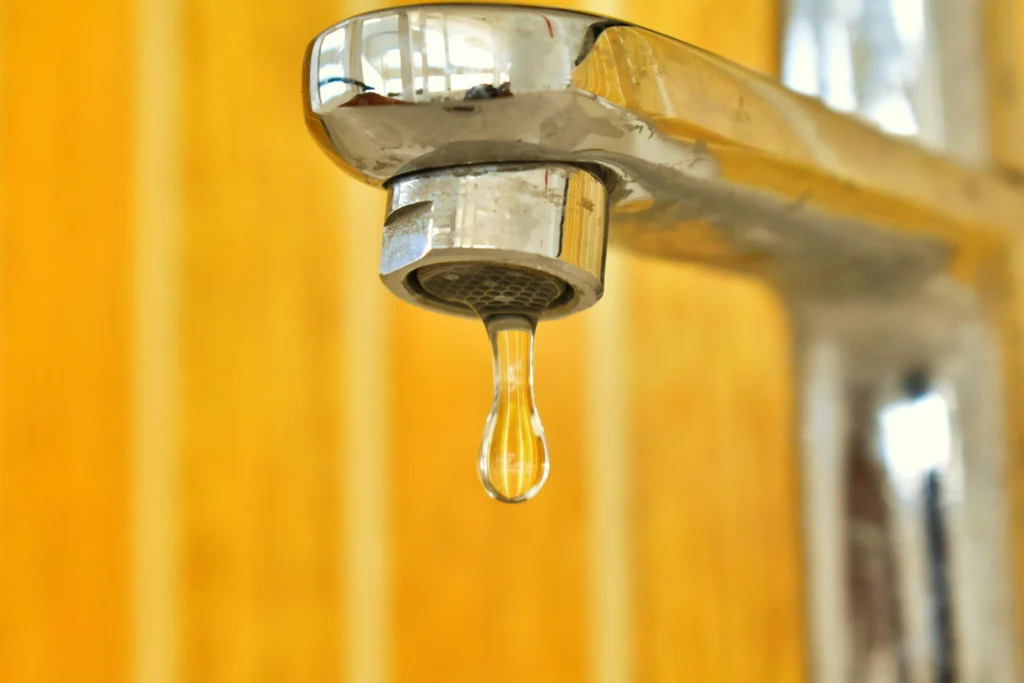
Cold, wet winters can be rough on underground plumbing. February in Seattle often brings heavy rain and saturated soil that place extra stress on aging water lines. If your home has an older pipe system, this is often when hidden problems start to surface. Recognizing early warning signs can help you determine whether trenchless water line replacement in Seattle is the right next step.
Why February Is a Key Time to Pay Attention
Winter moisture and temperature swings cause soil to shift. That movement puts pressure on underground water lines, especially older pipes made from galvanized steel or aging plastic. Small cracks that stayed hidden in summer can widen in winter, leading to leaks or sudden failure.
February is also a time when water usage stays steady while outdoor conditions remain harsh. That combination often reveals issues that were easy to miss earlier in the year.
Common Signs Your Water Line May Need Replacement
Sudden Drop in Water Pressure
A noticeable change in water pressure throughout the home is one of the most common red flags. If sinks, showers, and appliances all run weaker than usual, the issue often points to the main water line rather than a single fixture.
This can happen when corrosion narrows the pipe or when a crack allows water to escape before it reaches your home.
Unexplained Increase in Water Bills
A water bill that rises without a clear reason is another warning sign. Underground leaks often go unnoticed because the water never reaches the surface. Over time, that wasted water adds up.
Persistent increases often mean the line is failing along a longer section, making spot repairs less effective.
Discolored or Rusty Water
Brown, yellow, or cloudy water usually signals pipe corrosion. Older metal water lines slowly break down from the inside, releasing rust into the water supply. While brief discoloration can happen after maintenance work, ongoing issues often point to a pipe that has reached the end of its lifespan.
Rumbling or Hissing Sounds
Unusual noises when water is running can indicate air entering the line or water escaping through cracks. These sounds may be faint at first, but often become more noticeable as damage worsens.
In winter, expanding ice or shifting soil can make these sounds more frequent.
Wet Spots or Soil Movement Outside
Soggy patches in the yard, driveway cracks, or areas where the ground seems to sink can all be signs of an underground water leak. In February, constant rain can hide these symptoms, so changes in soil texture or pooling water should not be ignored.
Age of the Water Line
Many Seattle homes still rely on pipes installed decades ago. Materials used in older systems were not designed to last forever. Once a line reaches a certain age, repairs often become temporary solutions.
Repeated Leaks or Breaks
Frequent repairs usually signal widespread deterioration. Replacing the full line can be more practical than continuing to patch failing sections, especially during winter conditions that increase the risk of sudden breaks.
Code or Safety Concerns
Older water lines may not meet current local requirements. Replacement provides an opportunity to bring the system up to modern standards, improving reliability and long-term performance.
The Trenchless Advantage
In the past, fixing a main water line meant digging a massive trench from the street to your front door. This destroyed driveways, ruined landscaping, and left a muddy scar across the property. Modern technology has changed this process entirely.
Trenchless methods allow professionals to replace the old pipe with minimal digging. Technicians only need two small access points. One is usually near the water meter, and the other is near the house. This approach preserves your lawn and saves you the cost of restoring your driveway or garden.
How the Process Works
Trenchless water line replacement in Seattle uses proven methods like pipe bursting and lining to replace the old line with minimal digging. Technicians first inspect the pipe, then use a bursting head, liner, or drill head guided through the existing path. A new High-Density Polyethylene (HDPE) or PEX pipe is installed in its place. This new pipe is seamless or jointless, which means it resists tree roots and prevents leaks from starting.
This process is fast and efficient for many jobs. Because it requires heavy machinery and precise control, this is strictly a job for experienced professionals. Trying to fix a main line yourself or hiring an unqualified handyman can lead to damage to city infrastructure and costly fines. Relying on experts for trenchless water line replacement in Seattle guarantees the job meets local codes and safety standards.
Related Articles:
- Seattle Water Main Repair: Fixing Sudden Pressure Drops
- Why Is Water Pooling in My Yard? Seattle Repair Tips
Expert Trenchless Water Line Replacement in Seattle
When replacement becomes necessary, working with experienced underground utility professionals makes a difference. Sewer Solutions provides conventional and trenchless water line replacement services for homes and properties throughout the Seattle area. Clear communication, dedicated in-house crews, and thoughtful restoration help limit disruptions during the project.
If you suspect your main water line is failing, let us take a look. Contact us today to assess your system and secure the reliable trenchless water line replacement in Seattle you need.